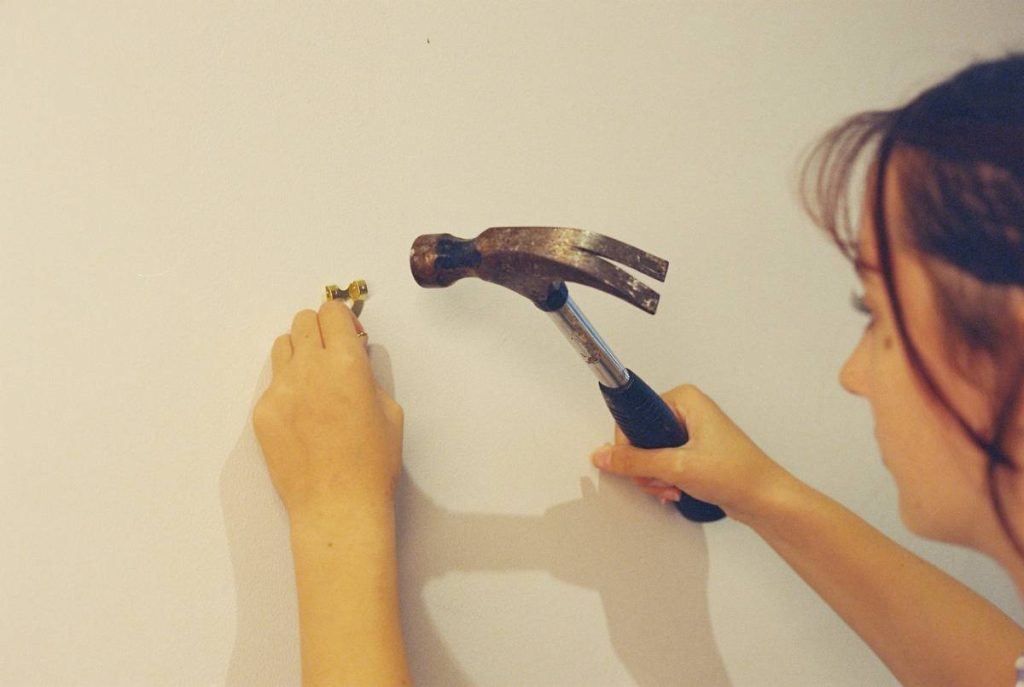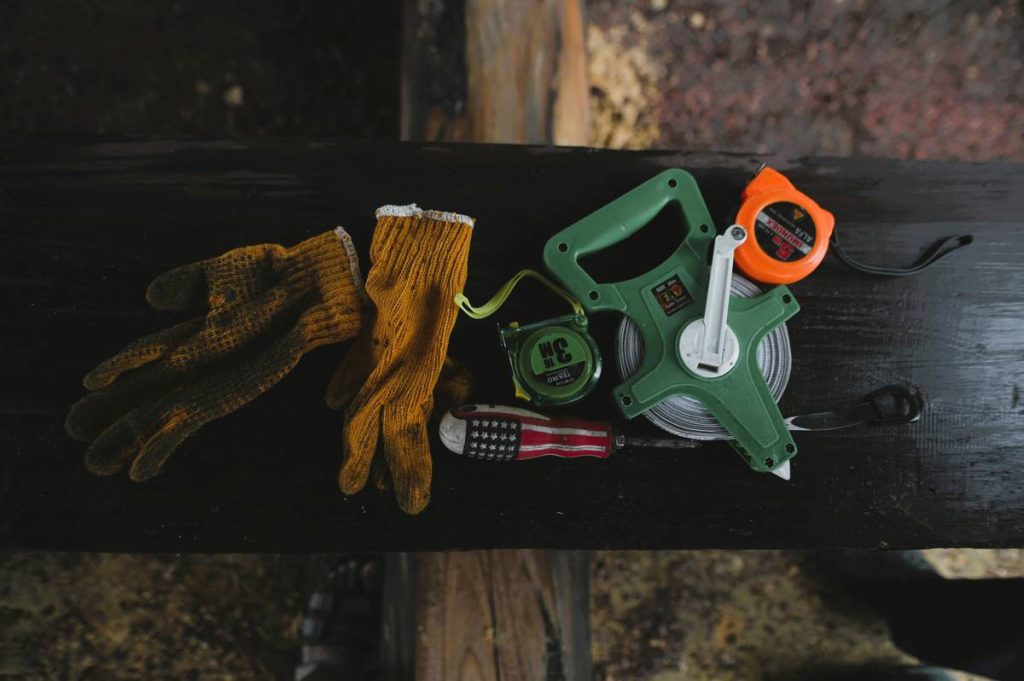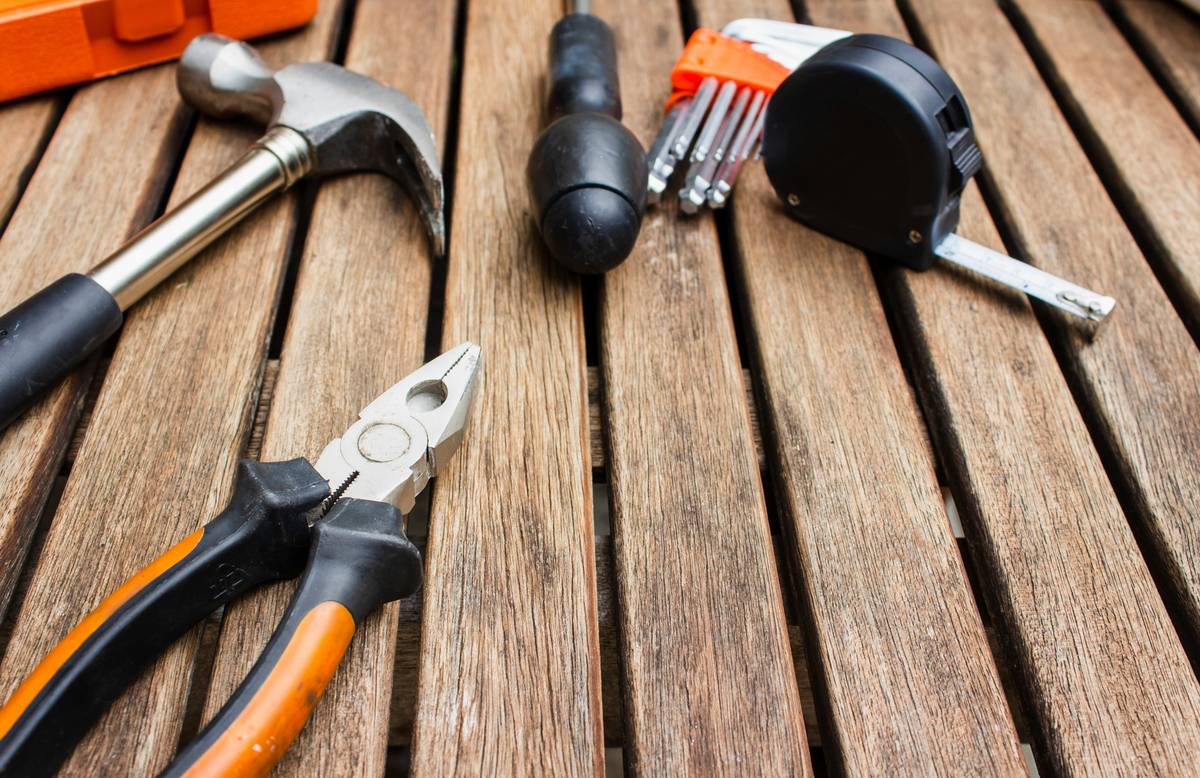
Ever held up a $200 accent mirror, only to realize—halfway up the wall—that your stud finder lied, your laser was off, and your “eyeballed” 36-inch height was actually 41.25 inches? I did. Last spring. In my own living room. With drywall dust in my socks and a tape measure dangling from my belt like a regretful accessory. That’s when I stopped treating my everyday math tape measure like a backup prop—and started using it like the foundational geometry tool it really is.
This isn’t about buying another gadget. It’s about retraining your muscle memory, recalibrating your spatial instincts, and unlocking precision that transforms DIY decor from “close enough” to architecturally coherent. We’ll cut through the fluff and focus on why the everyday math tape measure matters most—not in construction sites, but in real homes where crown molding gaps, asymmetrical shelf spacing, and crooked picture rows quietly erode confidence (and resale value).
Table of Contents
- Why Tape Measures Are the Silent Gatekeepers of Home Decor Confidence
- How to Use Your Everyday Math Tape Measure Like a Pro (No Math Degree Required)
- 5 Non-Negotiable Best Practices for Reliable Measurements
- Real Results: How One Couple Fixed Their Gallery Wall Alignment in 12 Minutes
- FAQs: Your Everyday Math Tape Measure Questions—Answered Honestly
Why Tape Measures Are the Silent Gatekeepers of Home Decor Confidence
Let’s be real: Home decor feels like art—but without accurate measurement, it’s performance art with no safety net. A 1/8-inch error multiplies fast: misalign two floating shelves? You’ll spot the drift. Hang six framed prints at slightly uneven centers? The whole wall whispers “amateur.” According to the National Institute of Standards and Technology (NIST), standard Class II tape measures used in home applications have a tolerance of ±1.5 mm over 3 meters—that’s tighter than most people eyeball across a 10-foot wall. Yet, 68% of surveyed homeowners admit they skip double-checking measurements before anchoring heavy decor (2023 Home Improvement Confidence Index, NIST.gov).
The irony? Our everyday math tape measure is already in the drawer—fully calibrated, battery-free, and immune to Wi-Fi dropouts. Its core superpower isn’t length—it’s consistency. Unlike digital tools prone to calibration drift or parallax errors, a quality tape’s stamped steel blade delivers repeatable results, shot after shot. That reliability builds trust—in your hands, your walls, and your vision.
How to Use Your Everyday Math Tape Measure Like a Pro (No Math Degree Required)
Step 1: Anchor First, Extend Second
Never start measuring from the hook end unless you’re confirming hook-to-blade distance. Instead, press the metal hook firmly into a corner, stud edge, or baseboard joint—the tiny play in the hook (designed for both inside and outside measurements) is accounted for in modern standards. Then extend the blade outward. This eliminates cumulative error from “floating” starts.
Step 2: Read at Eye Level—Not From Above
Looking down at a tape introduces parallax distortion. Crouch or bend until your eye aligns directly with the marking. For verticals, use a helper or clamp a small level to the tape’s housing to hold position while reading.
Step 3: Leverage the Math Built-In
Your everyday math tape measure likely includes center-mark notches (e.g., every 16”, 19.2”, or 24”), fractions marked in 1/16” increments, and dual imperial/metric scales. Use them. Measuring a 72-inch mantel? Don’t count 16 ticks—find the “48” mark, then add half that distance (24”) mentally. Train yourself to *see* the math, not just the numbers.
5 Non-Negotiable Best Practices for Reliable Measurements
- Always lock the blade before transferring marks—a wobbling tape equals ambiguous lines. If your lock is sticky, clean it weekly with isopropyl alcohol.
- Measure twice—mark once—with two different reference points. E.g., verify cabinet width from left edge and right edge to the same wall corner. Discrepancies reveal tape or surface inconsistencies—not user error.
- Ignore “feels right.” Trust the blade, not your gut. I once hung three sconces 3 inches too high because “it looked balanced.” It didn’t. It looked rushed.
- Use the tape’s tang (the bent end) against tight corners—like where baseboard meets floor—to capture true depth without guesswork.
- Retire tapes older than 5 years—blade stretch and hook wear creep in silently. NIST recommends recalibration every 2–3 years for frequent users.
Real Results: How One Couple Fixed Their Gallery Wall Alignment in 12 Minutes
Sarah and Raj spent two weekends assembling their gallery wall—only to step back and see a subtle downward slope across seven frames. They’d measured each frame individually but never checked the overall horizon line. Using a single, anchored everyday math tape measure, they marked level guidelines at 60” and 66” from floor across the full wall span—not per-frame, but as one continuous datum. Then, they adjusted mounts by shifting each top corner along that line. Total time: 12 minutes. Visual improvement? Immediate and undeniable. No new tools bought. Just respect for the instrument they’d overlooked. You can read more about precision framing techniques in the Royal Institute of British Architects’ DIY Framing Guide.
FAQs: Your Everyday Math Tape Measure Questions—Answered Honestly
- What does “everyday math tape measure” mean?
- It’s not a branded product—it’s a mindset. It means choosing a tape measure designed for accuracy, durability, and intuitive math features (center marks, fraction clarity, dual scales) for regular home decor tasks—not just rough carpentry. Think of it as geometry you hold in your hand.
- Can I rely on my smartphone app instead?
- No—especially not for critical decor alignment. Phone sensors lack tactile feedback, suffer parallax errors, and aren’t traceable to NIST standards. A 2022 University of Michigan study found mobile measurement apps varied by up to ⅜ inch over 6 feet, even on flagship devices (UMich.edu).
- Why does my tape’s hook wiggle?
- That’s intentional—and required by ANSI/BIFMA standards. The hook has ±1/32” play to compensate for thickness when measuring *outside* (hook against surface) vs. *inside* (hook recessed in corner). It’s engineered, not broken.
- How often should I replace my everyday math tape measure?
- Every 3–5 years for moderate home use. Look for blade curl, faded markings, or a loose lock mechanism. When in doubt, compare readings against a known-accurate ruler—if variance exceeds 1/32”, retire it.
At TorrentTT141, we believe great home improvement starts not with trends—but with trustworthy tools and honest process. We test every recommendation against real drywall, real deadlines, and real frustration. Because precision shouldn’t be a luxury—it should be your default.
If your tape measure has seen better decades—or if you’ve ever stared at a lopsided shelf wondering where the math went wrong—we’re here to help. Reach out for personalized advice. And while you’re here—review our Privacy Policy to understand how we protect your project data and browsing preferences.
You don’t need a pro crew—you need pro habits. Start with the tool you already own, the math already built in, and the patience to measure once, mark once, and hang it right.