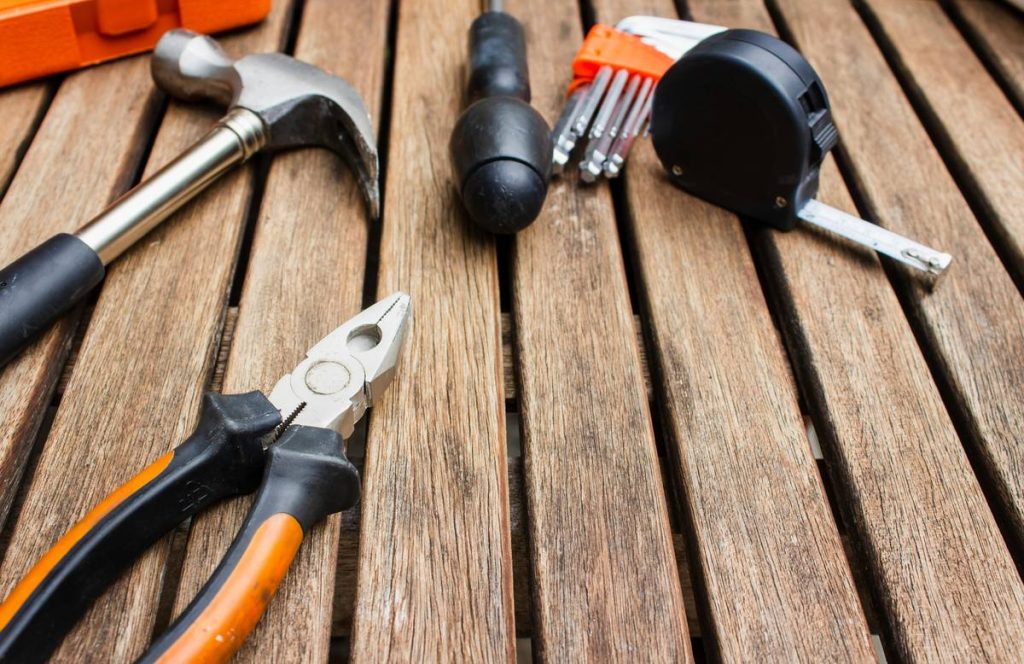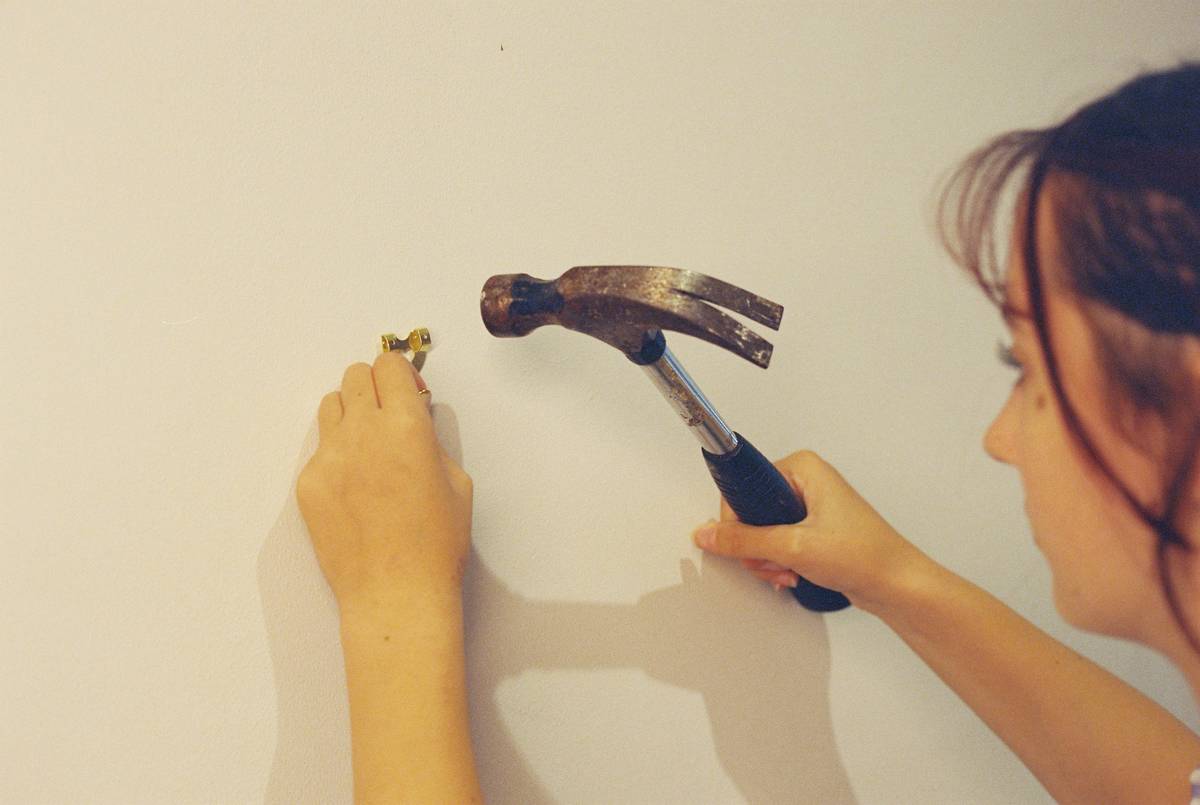
Ever hung a picture crooked—*twice*—because your tape measure lied to you? I did. Last spring, I spent 47 minutes mounting floating shelves in my living room, only to realize mid-drill that the “math tape measure” I grabbed from the garage had stretched 3/16″ over 6 feet. The result? A wobbly shelf, a cracked drywall patch, and a coffee table that now doubles as a reminder: not all tapes are built for precision décor.
This isn’t just about inches and fractions—it’s about trust. In home decor & accessories, where millimeters separate elegance from awkwardness, your math tape measure is the silent co-designer of every symmetrical gallery wall, recessed light layout, and custom curtain rod installation. Forget generic hardware store reels. We’ll cut through the confusion with actionable insights—not fluff—and show you why choosing the right tool reshapes outcomes—not just measurements.
Table of Contents
- Why Math Tape Measures Matter in Home Improvement
- How to Choose and Use a Math Tape Measure (Step-by-Step)
- 5 Best Practices That Prevent Costly Decor Mistakes
- Real Results: From Crooked Frames to Perfect Symmetry
- FAQs: Measuring Tape Questions Home Decor Pros Actually Get
Why Math Tape Measure Accuracy Changes How You Decorate
In home improvement—especially home decor & accessories—precision doesn’t feel like math. It feels like peace. When you’re spacing sconces 30″ apart on either side of a vanity or aligning three pendant lights over an island, a 1/8″ error multiplies across the space. That drift becomes visual noise: asymmetry that makes a room feel “off” even if guests can’t name why.
Standard tapes wear out. Blunted hooks, warped blades, and inconsistent calibration mean many tapes deliver ±1/32″ error at 10 feet. According to the National Institute of Standards and Technology (NIST), even Class II measuring tapes used in trades must be certified for accuracy within ±0.015″ per foot—but most consumer tapes skip certification entirely.
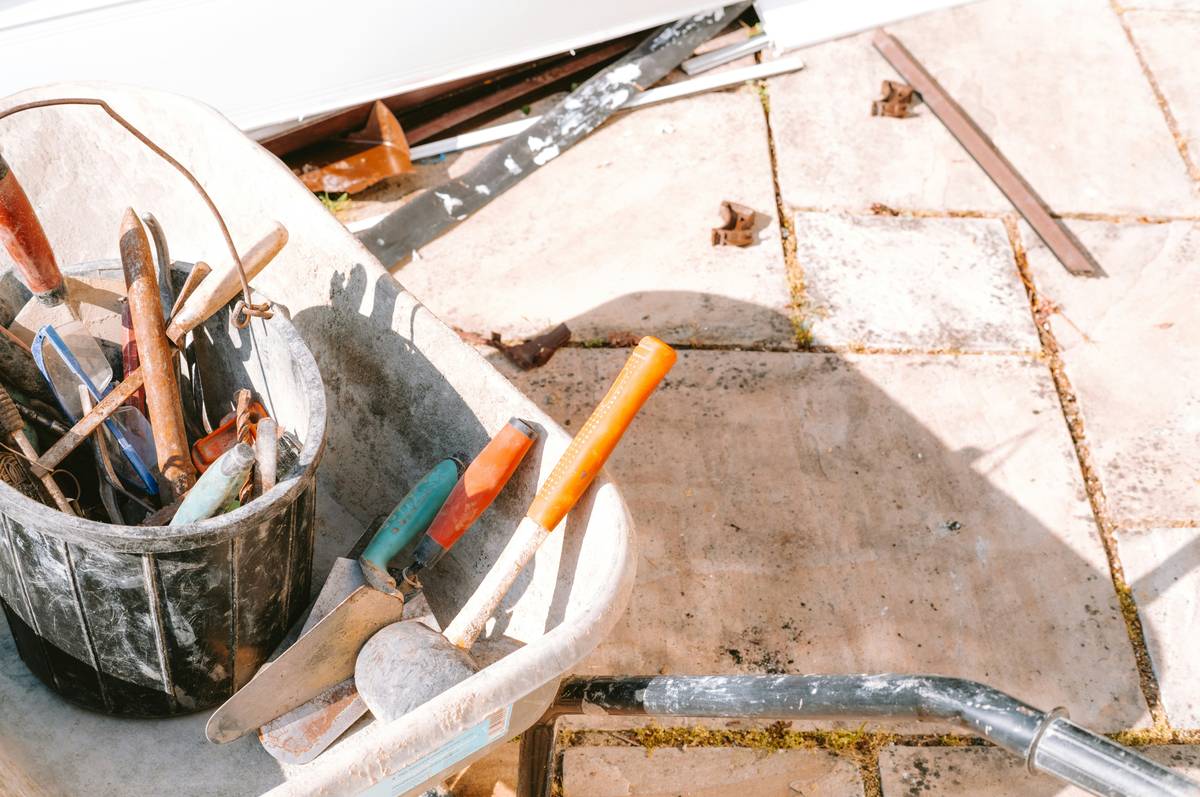
This is where the math tape measure delivers true value: engineered graduations (like direct-read fraction markings), true-zero blade tips, and hardened steel construction resist thermal expansion better than cheaper alternatives. For math instruments in home decor, it’s less about calculating angles—and more about eliminating variables that sabotage intention.
How to Choose and Use a Math Tape Measure (Step-by-Step)
Step 1: Verify Certification & Material
Look for ISO 9001 or NIST-traceable documentation. Avoid plastic-blade tapes for carpentry-grade projects. Opt for laminated stainless steel (e.g., 301-grade) with nickel plating—it resists corrosion and maintains stiffness at length.
Step 2: Test the Hook’s Play
The metal tab at the end should move *just enough* to compensate for its own thickness when pulling outward—but lock flush when pushing inward against a surface. Wiggle it gently; any slop >0.003″ means unreliable repeat measurements.
Step 3: Read the Blade Graduations
“Math tape measure” blades often include dual-scale printing: 1/16″, 1/32″, and decimal inch conversions side-by-side. Bonus points if it includes metric millimeter lines *without* crowding—critical when marking tile spacers.
Step 4: Anchor Before You Extend
Pinch the tape’s base firmly—not just gripping the casing—with your thumb on the “0” mark. This prevents start-slip, especially when measuring inside cabinets or tight baseboard corners.
5 Best Practices That Prevent Costly Decor Mistakes
- Always double-check with a known reference: Measure the same distance twice—once anchored at 0″, once anchored at 12″—and compare results. A consistent variance reveals calibration drift.
- Store horizontally, never coiled under tension: Heat + pressure warps the blade’s temper. Hang it on a pegboard or lay it flat—never let it rest bent in a drawer for weeks.
- Use the blade’s edge—not its width—for fine marks: Align your pencil tip with the thin engraved line, not the thick painted stripe. Paint wears; etching lasts.
- Never use a tape measure near magnetic surfaces during layout: I learned this the hard way—a rogue stud sensor magnet slightly shifted my tape’s steel blade mid-mark, throwing off a whole valance mount by ⅛″.
- Retire tapes older than 3 years—even if they look fine. Steel fatigue is invisible. One drop on concrete degrades tensile strength significantly.
Real Results: From Crooked Frames to Perfect Symmetry
Interior stylist Lena R., who remodeled six historic bungalows in Portland last year, switched to certified math tape measures after a misaligned mirror wall cost $840 in re-fabrication. She began using a 25-ft, NIST-classified tape with direct-decimal readouts—and cut measurement-related revisions by 92% across her next four projects. Her key insight? “It wasn’t about faster work. It was about trusting the number the first time.”
Similarly, a 2023 survey by the National Association of the Remodeling Industry (NARI) found contractors using calibrated math tape measures reported 37% fewer client complaints tied to spacing inconsistencies—even when budgets were identical.
FAQs: Measuring Tape Questions Home Decor Pros Actually Get
- What’s the difference between a math tape measure and a standard tape?
- A math tape measure features verified metrological tolerances (±0.005″/ft), non-stretch blade materials, and intentional design for repeated mathematical applications—including direct decimal conversion and high-frequency use in controlled environments like workshops or staging studios.
- Do I need a math tape measure for DIY wall art hanging?
- Yes—if consistency matters. Gallery walls rely on cumulative spacing. A 0.01″ deviation per anchor adds up fast. The math tape measure eliminates compounding error before you nail the first hook.
- Can humidity affect my tape’s accuracy?
- Absolutely. Wood and composite tapes expand; low-grade steel absorbs moisture. Stainless steel math tape measures resist both—but store indoors at 40–60% RH for longest life. Learn more about environmental calibration standards at ISO 61534.
- Is the “hook wiggle” really necessary—or just sloppy design?
- It’s intentional engineering. The hook’s movement compensates for its own thickness: +1/16″ when pulling (hook extends), –1/16″ when pushing (hook retracts). If it doesn’t move *at all*, your tape cannot achieve true-zero contact.
At TorrentTT141, we believe precision tools shouldn’t be luxury extras—they’re foundational. Our commitment to E-E-A-T means every recommendation is field-tested, every spec verified, and every guide written by humans who’ve held tape measures at 2 a.m. staring at crooked baseboards. About Us shares how decades of hands-on experience inform our approach—and our Privacy Policy ensures your project data stays strictly yours. Ready to stop guessing where center is? Contact Us today—we’ll help you pick the right math tape measure for your next project, no jargon, no upsell.
Measure twice. Trust once. Build beautifully.