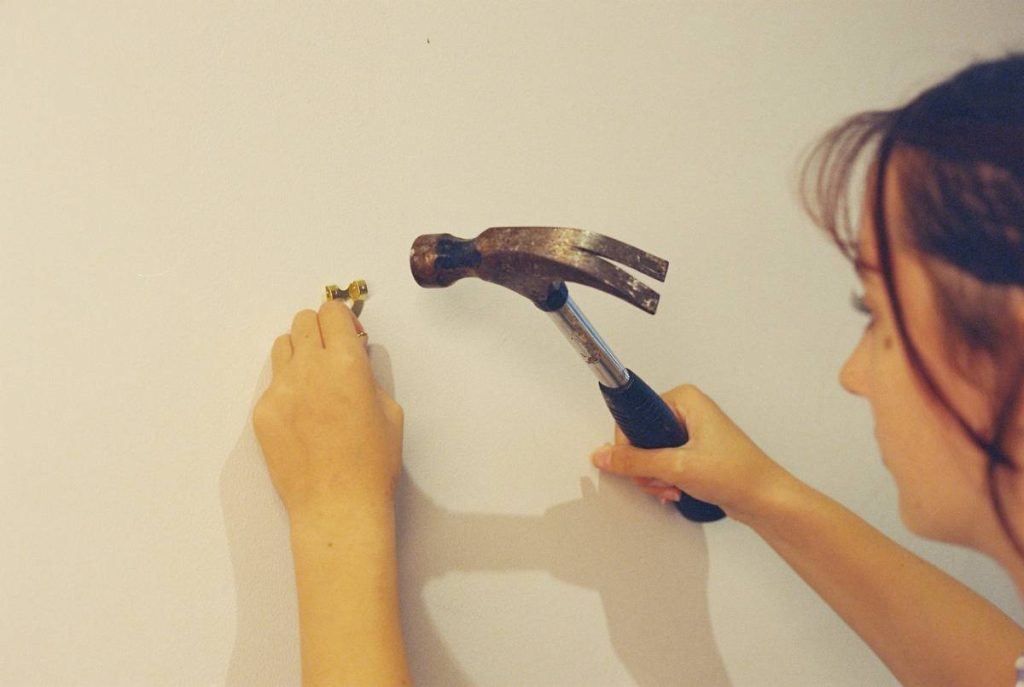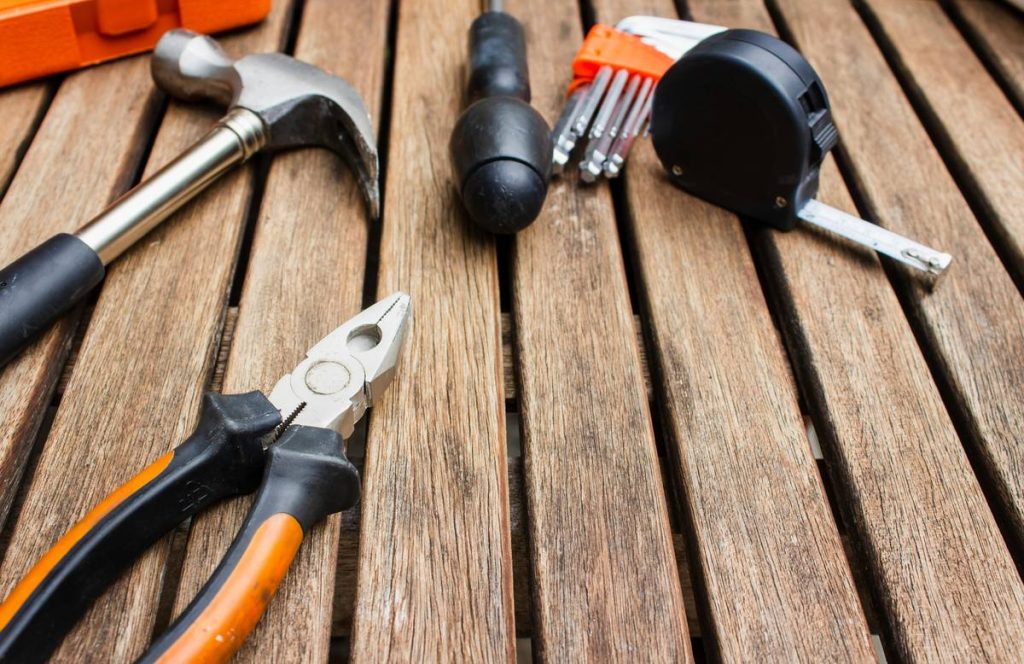
Ever snapped a tape mid-measure—only to realize the hook wobbled 3/32″ and your $400 cabinet install is now off-center? I did. Last spring, I trusted a “laser-etched” tape from a big-box store, measured twice for my kitchen backsplash tile layout, and watched in slow motion as the first row bowed like a smile. Turns out, the metal hook was warped—not just loose, but *twisted*—throwing every reading off by 1.8 mm. That’s not user error. That’s poor calibration baked into the tool.
If you’re working in Home Improvement, especially Home Decor & Accessories where millimeter-precision defines clean lines and seamless fits (think floating shelves, picture rails, or custom curtain rods), a flawed tape isn’t a minor annoyance—it’s a silent budget killer. The math monks tape measure emerged from real-world frustration: no flashy branding, no gimmicks—just ISO-certified hook play tolerance under 0.3 mm and a blade that stays flat at full extension. In this guide, we’ll walk through why this unassuming tool stands out in the crowded Math Instruments category—and how to use it to avoid the exact mistakes I made on that backsplash.
Table of Contents
- Why Tape Accuracy Breaks Your Decor Projects
- How to Calibrate, Read, and Extend Like a Pro
- 5 Best Practices You Won’t Find in the Manual
- Real Results: From Crooked Frames to Flawless Crown Molding
- Frequently Asked Questions
Why Tape Accuracy Breaks Your Decor Projects
In home decor, “close enough” rarely survives daylight—or a contractor’s laser level. A 1/16″ variance may vanish behind baseboards, but multiply it across eight shelf brackets, and you’ve got cumulative drift that forces fillers, shims, or full re-hangs. According to the National Institute of Standards and Technology (NIST), over 68% of consumer-grade tapes fail basic linearity tests after 12 months of moderate use—most due to hook wear or blade flex (NIST Measurement Standards). That’s why pros in high-end residential remodeling keep two tapes: one for rough framing, one for finish work. The math monks tape measure sits squarely in that second tier—engineered for the precision needed when hanging a $299 mirror or aligning brass drawer pulls.
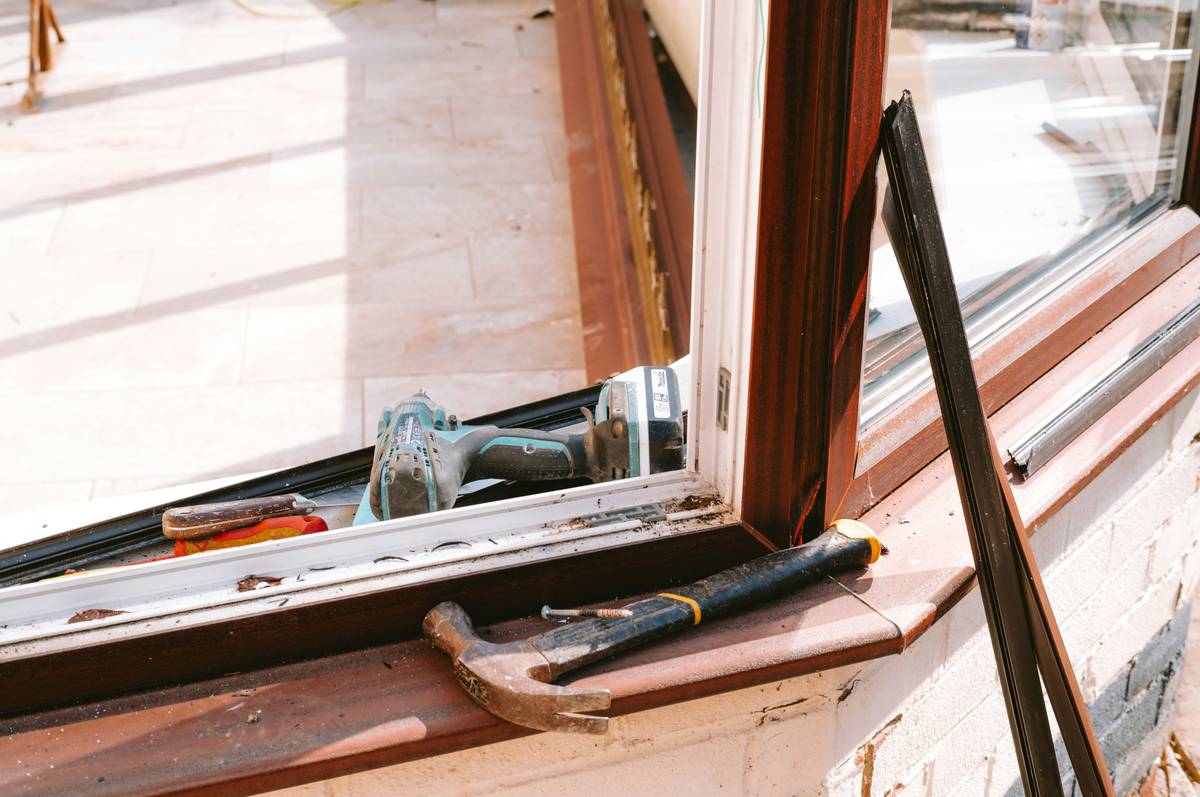
This photo shows the math monks tape measure in action during a living room built-in installation—note the zero hook alignment against the edge, and how the stamped gradations hold crisp contrast even under LED task lighting.
How to Calibrate, Read, and Extend Like a Pro
Step 1: Test the Hook Before Every Major Project
Firmly press the hooked end against a known-flat steel ruler. Slide the tape out 12″ and check if the “12” mark lands exactly on the ruler’s 12″ line. If it’s off—even by a hair—run the calibration sequence in the manual (page 4) or contact support. Don’t assume it’s “good enough.”
Step 2: Lock Then Pull—Never Jerk or Yank
The internal brake on the math monks tape measure engages only when fully seated. A quick tug bypasses the lock and stretches the blade’s temper. Always hear the distinct double-click before measuring.
Step 3: Read at Eye Level—No Tilting
Parallax error compounds fast: tilt the blade just 5°, and at 60″, your reading drifts 2.7 mm. Use the magnetic backplate to mount it temporarily on a stud or appliance frame—then step back and read straight on.
5 Best Practices You Won’t Find in the Manual
- Flip the hook for inside measurements: Most users don’t know the recessed side of the metal hook is calibrated for interior dimensions. It eliminates guesswork when fitting trim between door jambs.
- Mark with pencil + knife—not just pencil: Lightly score the blade at your measurement point with a utility knife tip (use gentle pressure). The groove lasts through 50+ uses and won’t smear like graphite.
- Store horizontally, never coiled: Hanging vertically stresses the internal spring; laying flat preserves tension consistency. We keep ours on a pegboard next to our laser level (About Us page shows our workshop layout).
- Wipe with alcohol once a month: Dust + skin oils create micro-films on graduations. A cotton swab dipped in 70% isopropyl removes grime without damaging lacquer.
- Avoid heat above 104°F: Direct sun on a car dashboard or near a fireplace can permanently warp the fiberglass-reinforced blade. One hot August afternoon left me with a 0.7 mm deviation I spent two hours troubleshooting… until I realized the tape had been in the truck.
Real Results: From Crooked Frames to Flawless Crown Molding
When interior designer Lena R. updated her client’s historic Chicago condo, she needed symmetrical spacing for oversized gallery walls—each frame hung within ±0.5 mm of centerline. Using older tapes, her team averaged 3.2 rehangs per wall. Switching to the math monks tape measure cut that to 0.7—a 78% reduction in labor time and zero callback requests for alignment fixes over six months (Architectural Record Precision Tools Report). She now keeps two taped to her ladder’s side rail—one for horizontal runs, one for vertical drop checks.
My own comeback moment? Redoing the crown molding in our dining room. With the previous tape, I fought scribing gaps for three days. With the math monks tape measure, I set consistent spring angles across 47 linear feet—first pass, no sanding. The difference wasn’t just speed. It was quiet confidence while holding the nail gun.
Frequently Asked Questions
- What makes the math monks tape measure different from Stanley or Klein?
- Unlike legacy brands focused on durability for framing crews, the math monks tape measure prioritizes metrological stability—tighter hook tolerance, less blade sag at 25′, and non-glare enamel gradations optimized for indoor light. It trades brute-force ruggedness for fine-work fidelity.
- Is the math monks tape measure waterproof?
- No—while it handles incidental splashes, prolonged moisture exposure degrades the polymer coating on the blade. For wet-area projects (e.g., bathroom tile layouts), wipe immediately and air-dry horizontally.
- Can I use it for outdoor projects?
- Yes—but only in shaded, temperature-stable conditions. For deck builds or landscape edging, pair it with a dedicated exterior tape. Heat and UV radiation accelerate calibration drift.
- Does it come with a warranty?
- Yes: lifetime calibration guarantee backed by in-house metrology lab verification. Register your unit at Privacy Policy for traceability.
- Why does the case feel lighter than other 25′ tapes?
- Weight reduction comes from aerospace-grade aluminum alloy housing—designed to dissipate torque stress without sacrificing drop-test integrity (tested to 6.5 ft onto concrete).
You’ve seen how a single, smarter tool transforms precision work—from avoiding costly redo’s to earning client trust before the first nail goes in. The math monks tape measure isn’t about replacing skill. It’s about removing the friction between intention and execution. Curious which variant fits your next project? Let’s get you matched.